Find out what Social Security benefits you may qualify for and how the federal program works.

When it comes to Social Security, there’s more to consider than many people realize. While the federal program is probably most well-known for providing retirement income, you may also be eligible for benefits if you become disabled or experience the loss of a family member.
An Ameriprise financial advisor can help you navigate your options and better understand your benefits. Here’s an overview of how the Social Security program works.
Understanding the federal program
What is Social Security?
Social Security is a U.S. federal program that provides enrolled individuals with a source of income when they become unable to work or earn sufficient wages on their own. Administered by the Social Security Administration, there are three types of Social Security benefits:
-
Retirement (spousal benefits available in some cases)
-
Disability
-
Survivor
Does Social Security allow for inflation or cost-of-living increases?
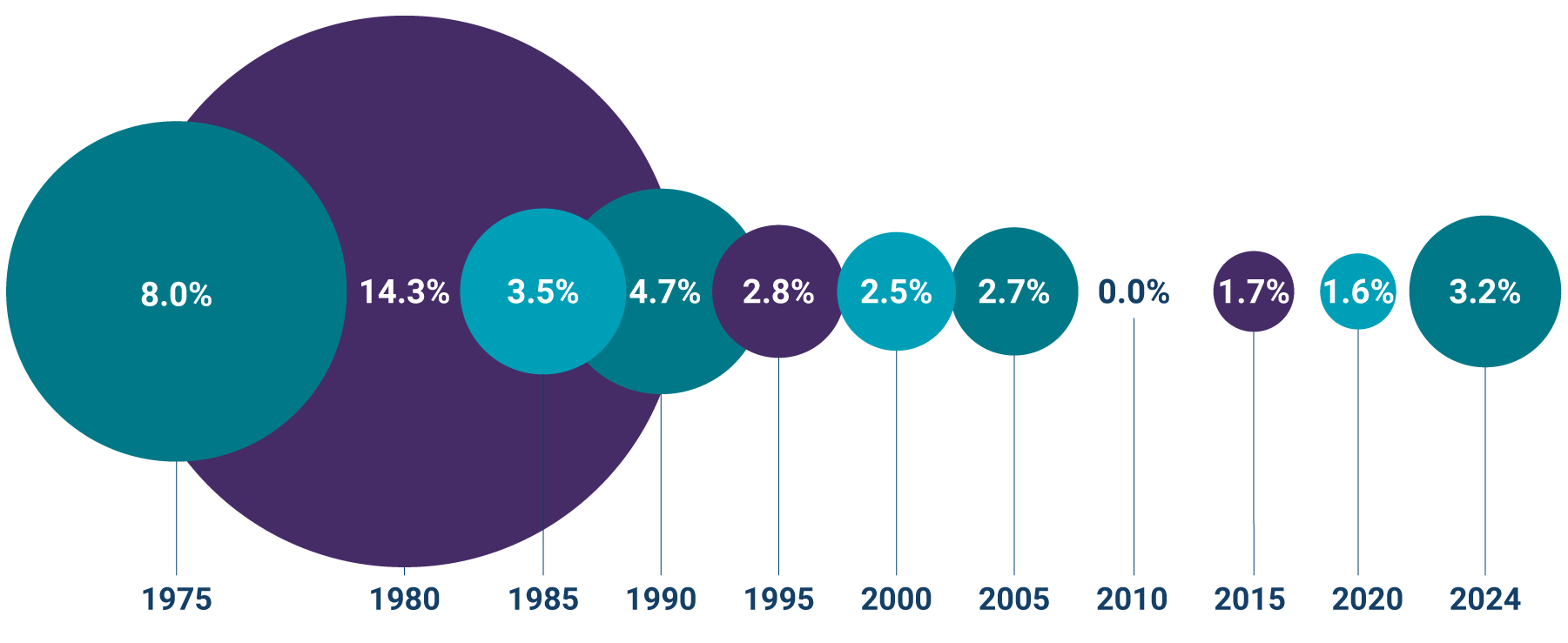
The Social Security Administration can enact yearly benefit increases called cost-of-living adjustments (COLA) based on inflation. Since 1975, COLAs have ranged from 14.3% (1980) to 0.0% (2010, 2011, 2016).
Learn more: Debunking Social Security retirement myths
Understanding retirement benefits
Social Security retirement benefits1 are monthly payments distributed to eligible retirees once they reach a certain age.
Who can qualify for Social Security retirement benefits?
You are eligible to receive Social Security benefits in the U.S. once you’ve accumulated 40 work credits (10 years of work) — as long as you also pay Social Security taxes and are eligible to work in the U.S.
What is my full retirement age?
Your full Social Security retirement age depends on the year you were born. If you were born on Jan. 1 of any year, refer to the previous year to determine your full retirement age.2
Year of birth |
Retirement age |
|---|---|
| 1943-1954 | 66 years old |
| 1955 | 66 +2 months years old |
| 1956 | 66 +4 months years old |
| 1957 | 66 +6 months years old |
| 1958 | 66 +8 months years old |
| 1959 | 66 +10 months years old |
| 1960 or later | 67 years old |
How is my Social Security benefit calculated?
Social Security payments are calculated based on your lifetime earnings. To account for changes in average wages each year, the Social Security Administration indexes your income using the national average wage index and calculates your average indexed monthly earnings based on the 35 years in which you earned the most. A formula generates your basic benefit, which is what you would receive if you take Social Security benefits at your full retirement age.
When should I start collecting Social Security retirement benefits?
The answer is different for every person and depends on many individual factors like your date of birth, marital status, health and financial position.
The longer you wait to start collecting Social Security, the higher your monthly benefit will be up to age 70. However, waiting may not be the right choice for everyone. The appropriate time for you will depend on your financial situation and your goals.

Learn more: When should I start collecting Social Security?
How do my Social Security benefits change if I retire early or late?
As life changes and priorities shift, you may wish to retire before or after your full retirement age. Taking Social Security early locks you into lower monthly payments and may decrease your lifetime benefit amount. Taking Social Security later increases your monthly payment and the amount you could receive over your lifetime.

Source: Ameriprise Financial. This is a hypothetical scenario.

Social Security benefit calculator
Use this tool to estimate what your retirement benefit amount could be.
Can I still work and collect Social Security retirement benefits?
You can collect Social Security retirement benefits while working, starting at age 62. However, your age and earnings may impact the amount of benefits you receive during that time. Working won't permanently reduce the Social Security benefits you receive, nor will your withheld benefits disappear.
Once you reach full retirement age:
-
Your monthly benefit will increase, taking into account prior benefits withheld due to earnings
-
Extra income no longer decreases your benefits
How working while collecting Social Security affects your benefit:

These types of income are exempt from the Social Security earning limit:

*If you are employed, only your wage amount applies to earnings limits. If you're self-employed, only your net earnings count.
Learn more: Working after retirement
Can I live abroad and still collect my Social Security retirement benefits?
Yes. In most cases, U.S. citizens who live in foreign countries after they retire can qualify for Social Security benefits. However, there are certain countries where the Social Security Administration does not send benefits to. Please refer to official guidance from the government for the most up-to-date information.
Understanding disability benefits
Social Security Disability Insurance (SSDI)3 provides monthly payments to individuals who have a condition that prevents or limits them from working. Children younger than age 18 are also eligible for SSDI if they have a medical condition or combination of conditions that meets Social Security’s definition of disability.
Can my children receive Social Security benefits?
A child who has a parent who is disabled or retired and entitled to Social Security benefits may also be eligible for benefits if they are:


Understanding survivor and spousal benefits
Can I receive the Social Security benefits of my spouse or former spouse?
Yes — in certain situations you can. Social Security spousal benefits allow a husband, wife or eligible former spouse to receive Social Security based on their partner’s work record. Generally, you could receive up to 50% of your spouse’s full retirement benefit if you meet the eligibility rules.
You may be eligible if you are:

Please note: Your own retirement benefit is based on your earnings, while spousal benefits are based on your spouse’s. Social Security will pay you either your own benefit or your spousal benefit — whichever is higher — but not both.
Am I eligible for Social Security survivor benefits?
Social Security survivor benefits4 are monthly payments made to a surviving spouse or dependent of anyone who worked and paid Social Security taxes before they died. The amount of the benefit depends on the deceased’s average lifetime earnings.
You may be eligible for survivor benefits if you are:

Please note: A surviving spouse cannot receive both retirement and survivor benefits at the same time.
Learn more: Understanding Social Security survivor benefits and eligibility
When and how do I apply for Social Security?


One of your clients has some questions they would like to discuss with you at your next meeting.
warning Something went wrong. Do you want to try reloading? Try again
When you’re ready to reach out to an Ameriprise financial advisor for a complimentary initial consultation, consider bringing these questions to your meeting.
Reach out to %advisor% to start the conversation.
Or, request an appointment online to speak with an advisor.
At Ameriprise, the financial advice we give each of our clients is personalized, based on your goals and no one else's.
If you know someone who could benefit from a conversation, please refer me.
Background and qualification information is available at FINRA's BrokerCheck website.